Can a Battery Be Added to an Existing Solar PV System?
Can a battery be added to an existing solar PV system?
If you already have solar panels, adding battery storage is often possible. The important question is not simply whether there is room for a battery. Your existing installation needs to be assessed as a complete electrical system, including the inverter, solar panel wiring, consumer unit, available generation and the way your property uses electricity.
Here at D.Jones Electrical & Maintenance Services Ltd, we assess those details before recommending an two different ways of connecting the battery to the solar system. The right choice depends on the property and the equipment already installed, not on a battery size chosen in isolation.
For a short overview of the service, visit our Battery Storage Systems page. The practical decision usually comes down to the following factors.
The age and type of your existing inverter
Your inverter converts the electricity generated by the panels into a form your home can use. Some existing inverters are designed only for solar generation, while others can work with battery storage or may be replaced by a hybrid inverter.
If your current inverter is compatible with the proposed battery, an AC-coupled system may allow storage to be added without changing the solar panel wiring. The battery has its own inverter and connects to the property's existing electrical wiring. This can be useful where the PV system is working well and you want to add storage as a separate part of the installation.
A DC-coupled system, where the battery connects more directly to the solar panels, takes a different approach. Solar generation can be directed to the battery before it passes through the main inverter. This can reduce conversion stages, but it may require a compatible hybrid inverter, designed to manage both solar and battery power and changes to the existing PV arrangement.
The condition, specification and location of the current inverter therefore matter. Reusing equipment is not automatically the simplest or most efficient option. Replacing an otherwise serviceable unit is not automatically necessary either.
How much energy your panels actually produce
The rated output of a solar array does not tell us how much energy is available to charge a battery at the property. Roof orientation, shading, panel layout and the condition of the existing system all affect generation.
A battery that is too large may regularly sit partially charged because there is not enough surplus solar to fill it. A battery that is too small may reach its usable limit before the household has finished using its stored energy. Neither outcome means the battery is faulty. It means the storage capacity does not match the generation pattern and electrical demand.
We also look at when your panels generate electricity compared with when you use it. A household that is empty during the day may have more surplus generation available for storage than a home already running appliances while the panels are producing. The same solar array can therefore justify a different battery arrangement in two otherwise similar properties.
The condition of the existing electrical installation
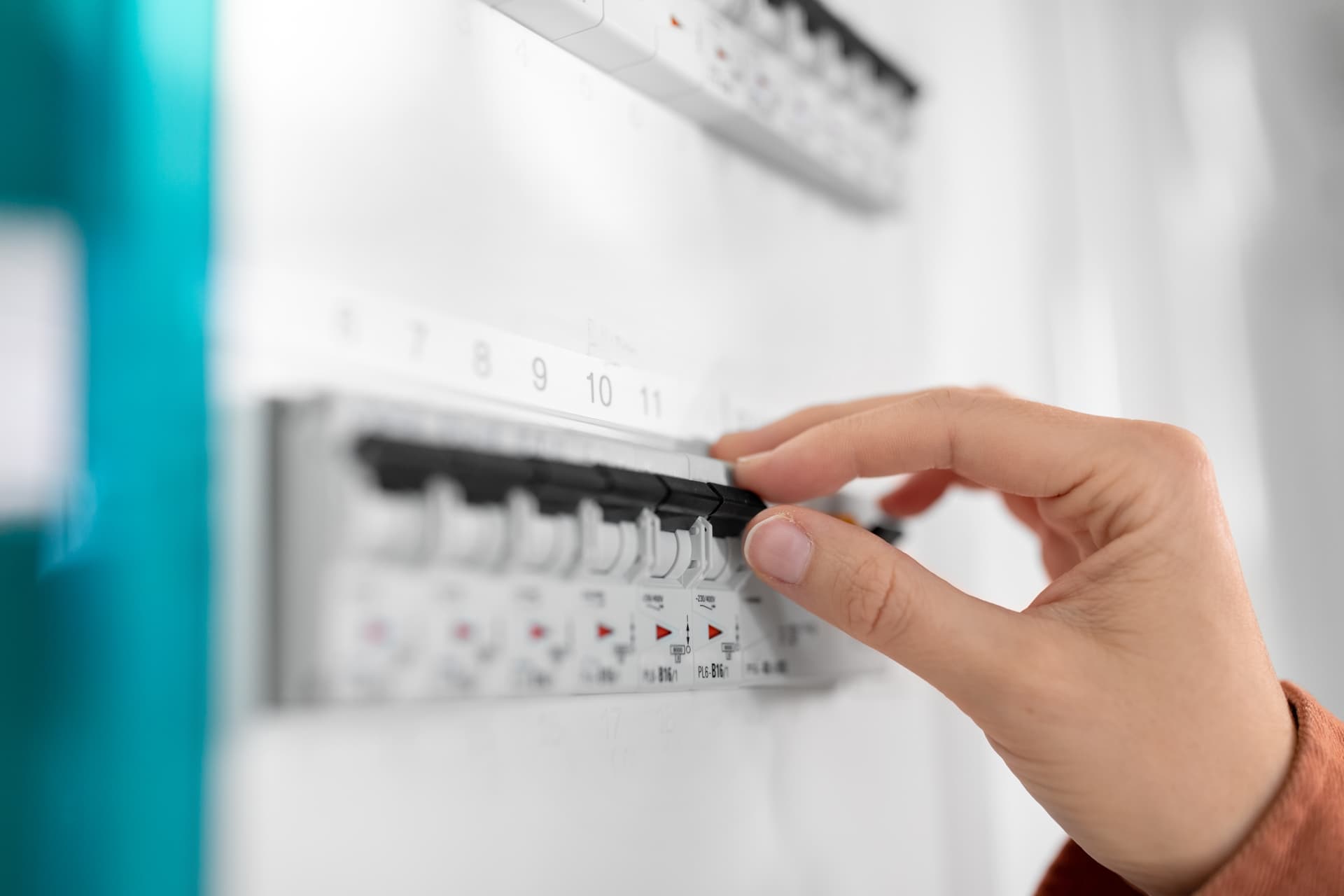
Solar panels and batteries form part of the wider electrical installation. Before adding storage, we need to understand the consumer unit (fuse box), safety equipment, earthing and cable routes, as well as the available space for the additional equipment.
Older homes in Crawley, Horsham and surrounding areas can have electrical systems that have been altered several times. Extensions, converted garages and previous rewiring work may mean the installation is not as straightforward as the original solar paperwork suggests. Existing faults or limitations should be identified before new equipment is connected.
This does not mean every older property needs a full rewire. It does mean the proposed battery system must be designed around the installation that is actually present. Electrical testing and remedial work may be appropriate where the survey identifies a safety or compliance issue.
Where the battery can be installed
The available location affects both the design and the installation method. We consider the battery’s position in relation to the inverter, consumer unit, PV equipment and any EV charger. Longer cable routes can create more disruption and may affect how equipment is protected and accessed.
A suitable location also needs to allow inspection and servicing. It should not obstruct access, interfere with normal use of the property or place electrical equipment where it could be exposed to avoidable damage. Garages, utility areas and plant spaces can all have different requirements depending on their construction, ventilation and proximity to other items.
In a flat, a converted property or a home with limited external and internal service space, the physical layout may be the main constraint. A detached house with a garage may offer more options, but cable routes and the distance between the existing PV equipment and the proposed battery still need proper consideration.
How an existing EV charger changes the design
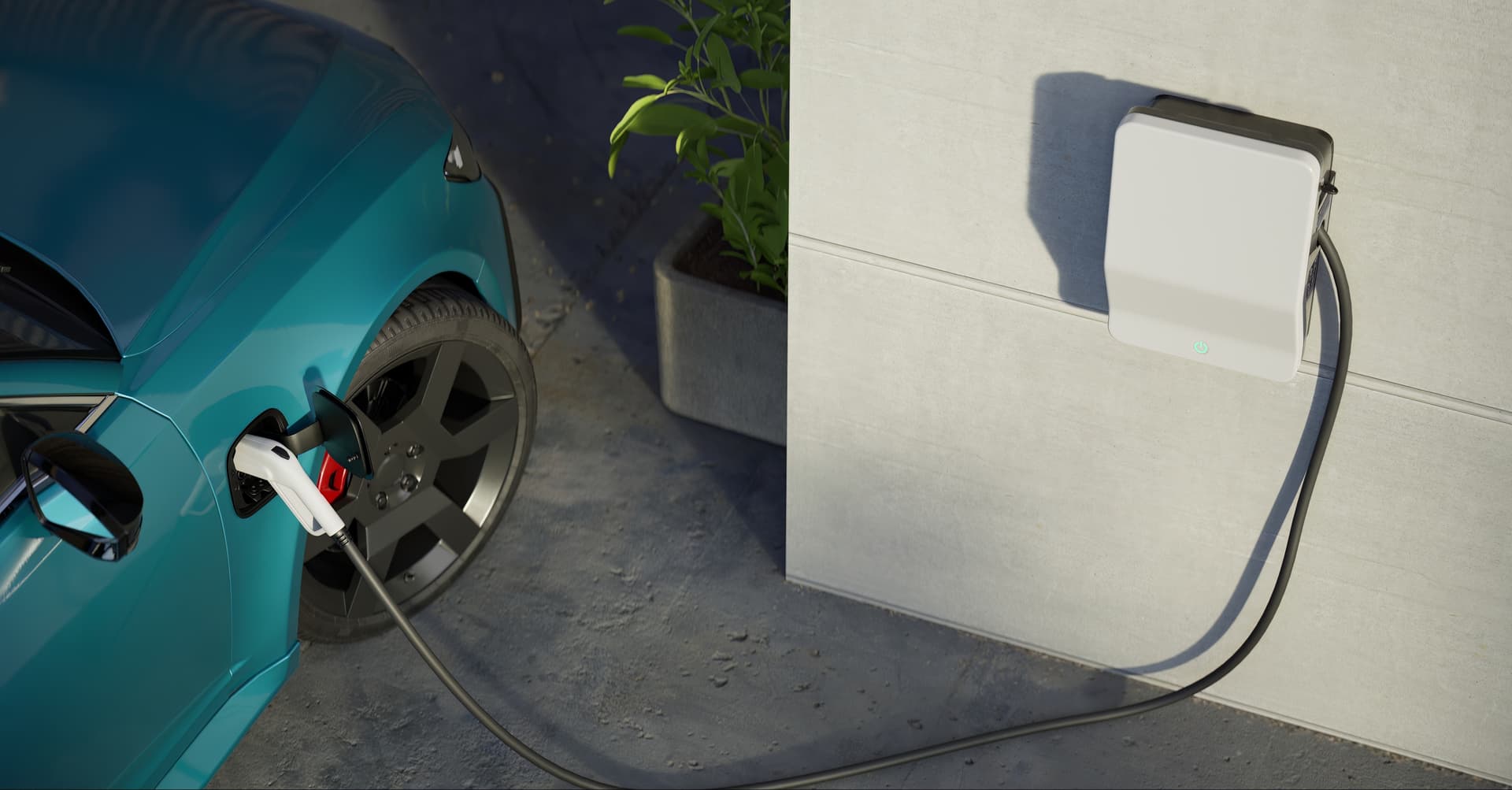
An EV charger can substantially change how stored energy is used. The battery, household loads and vehicle may all compete for available power, particularly where the property has a limited electrical supply or where equipment is installed on the same side of the system.
We therefore consider whether the priority is household use, vehicle charging, export or a combination of these. The system controls need to reflect that priority. Otherwise, the battery may discharge into the vehicle when the household needs the energy, or the vehicle may draw from the grid when stored energy was available.
What we check before recommending a solution
Our assessment looks at the existing PV equipment, generation history, electrical installation, property layout and intended use. We then determine whether the better route is to retain the current inverter, add compatible equipment or redesign part of the system.
That assessment is especially important for properties across Crawley, Reigate, Redhill and the wider Sussex and Surrey area, where homes and existing installations vary considerably. As a NAPIT Accredited electrical contractor with Constructionline Silver, we approach the battery as part of the complete installation rather than treating it as an isolated product.
If you are considering battery storage for an existing solar PV system, contact D.Jones Electrical & Maintenance Services Ltd for a properly assessed design. We can establish what your current system can support and explain the practical options before any installation work begins.